 GOGO FOOTBALL
Navigating the Fallout: Manchester City's Dilemma
2 October 2026
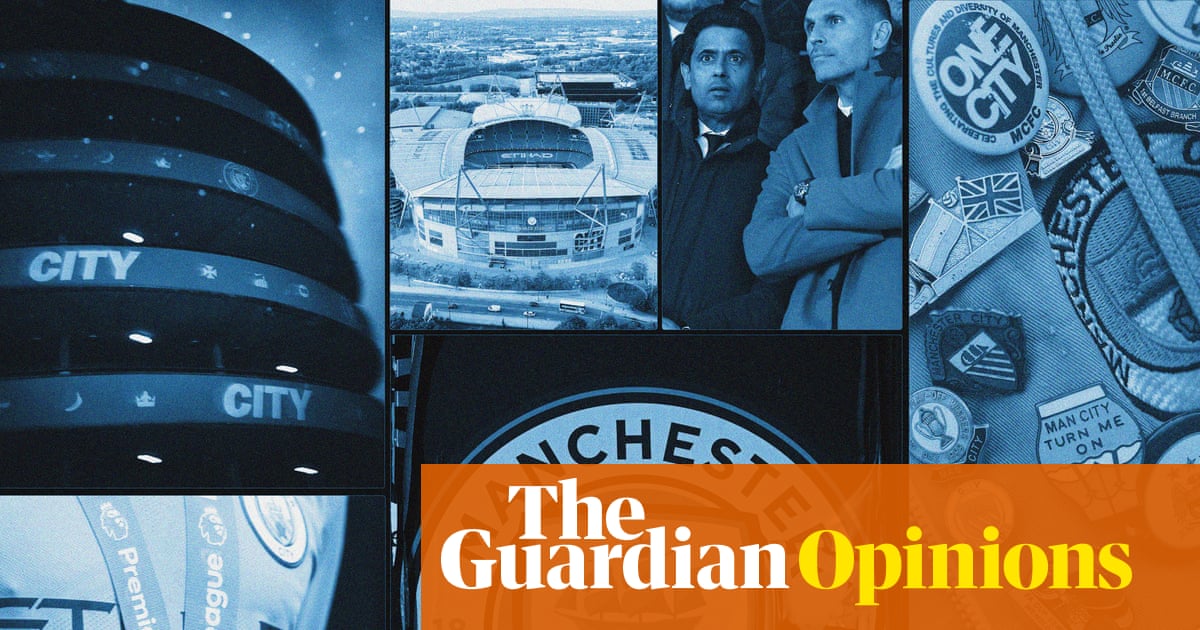
In the wake of Manchester City's financial misconduct verdict, emotions are running high and the discussions surrounding their punishment are anything but straightforward. While some might suggest a 17-year transfer ban or a complete replay of their successful seasons, the reality is that finding a fitting response requires deeper reflection.
Since the Premier League's ruling, a wave of humorous jabs has swept through social media. From witty Instagram posts about ‘unexpected items’ to playful banter from brands like Domino’s Pizza, it’s clear that the football community is indulging in a bit of cathartic comedy. Even fans defend their club’s actions, likening City’s defiance to historical acts of civil disobedience, while music icon Liam Gallagher draws bizarre parallels to biblical struggles.
Amid the laughter, however, the seriousness of the situation looms large. As City prepares to appeal, significant threats emerge from their ownership, with Etihad Airways considering legal action against the Premier League, citing potential damages. The geopolitical implications of this case also raise eyebrows, as UAE officials warn of possible diplomatic repercussions.
This entire saga serves as a stark reminder of the complexities involved when state actors are intertwined with football clubs. Even the simplest decisions can escalate into matters of international diplomacy. Local political figures, like Andy Burnham, find themselves caught between supporting the club and facing backlash from constituents who view City’s actions as morally questionable.
Yet, the quest for a viable solution remains elusive. Fans and pundits alike grapple with the ethical dimensions of punishment. Should justice aim to rectify the harm done, or focus on deterrence and reinforcing shared values? With no clear precedents, the debate is as expansive as it is contentious, leaving many wondering how this will all unfold.
As we navigate through these philosophical dilemmas, it’s essential to recognize two guiding principles. First, the idea of revisiting the past—reassigning titles or medals—seems impractical and trivializes the genuine experiences of fans. As Jamie Carragher rightly pointed out, it’s not just about trophies; it’s about the memories and emotions tied to those victories, which can’t be erased.
Secondly, any punishment should be directed at the ownership rather than the fans. While supporters may have benefited from the club's success, they also find themselves as collateral damage in this saga. It is crucial to prioritize their interests, acknowledging their loyalty and the joy they derive from their team, separate from the actions of those in charge.
As the situation unfolds, the question remains: how do we navigate this complex landscape of accountability while ensuring that the heart and soul of Manchester City—the fans—are protected?